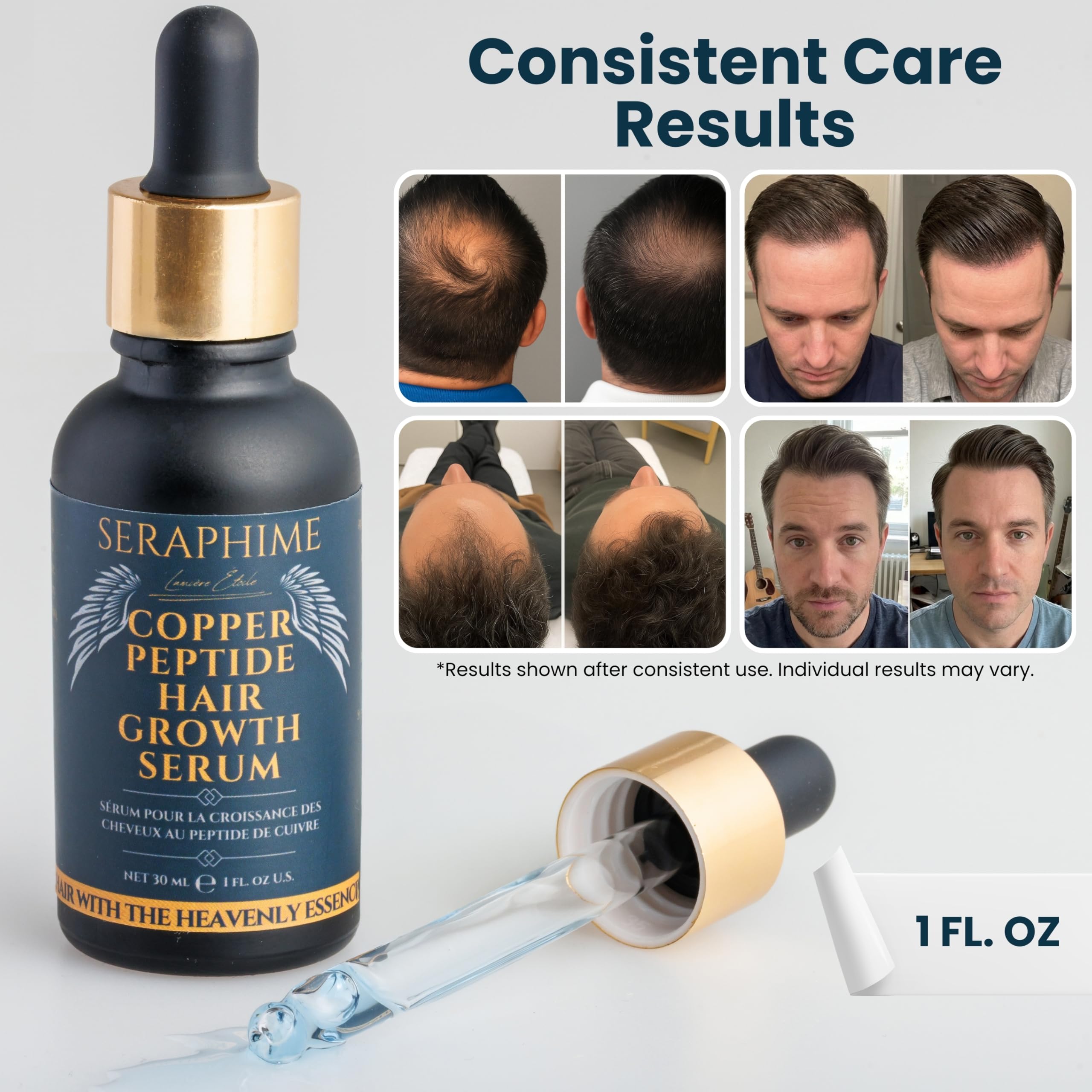
peptides for hair growth ghk-cu evidence Seraphime Copper Peptide Serum Hair, 2% for Growth, 1 floz Size:1.65oz Christopher Shade, PhD, founder Magnesium Sulfate for Injection
Christopher Shade, PhD, founder and CEO of Quicksilver Scientific, discusses how oral peptides are transforming injury care and healing. Known as the “Wolverine Stack,” BCP-157, TB-500, and Copper-GHK (GHK-Cu) are making their
Meralgia Paresthetica Other Names Meralgia Paresthetica (MP) Entrapment of the Lateral Cutaneus Nerve of the Thigh Entrapment of the Lateral Femoral Cutaneous Nerve Entrapment of Nervus Cutaneous Femoris Lateralis Bernhardt-Roth Syndrome LCN (lateral cutaneous nerve) neuralgia LFCN Neuropraxia Lateral Femoral Cutaneous Nerve Entrapment Lateral Femoral Cutaneous Neuropathy Lateral Femoral Cutaneous Nerve Syndrome Lateral Femoral Cutaneous Neuralgia Bernhardt-Roth Neuralgia Anterolateral Thigh Neuropathy Lateral Thigh Paresthesia Syndrome Entrapment Neuropathy of the Lateral Femoral Cutaneous Nerve LFCN Entrapment Syndrome Background This page refers to neuropathy of the Lateral Femoral Cutaneous Nerve (LFCN) Commonly referred to as Meralgia Parasthetica (MP) History MP first described by Hager in 1885 (need citation) Named by Roth in 1895 (need citation) Epidemiology General Average age is 30-40 years Males greater than females Cases are bilateral about 20% of the time [1] Incidence Introduction General Characterized by nerve entrapment resulting in pain, paresthesias, and sensory loss within the distribution of the LFCN Compression of the nerve most commonly occurs as the nerve exits the pelvis The diagnosis is primarily clinical Treatment is typically conservative except in refractory cases Paucity of research makes diagnosis, treatment challenging Etiology Idiopathic or spontaneous No clear cause often associated with multiple risk factors Mechanical risk factors refers to increased abdominal pressure (pregnancy, obesity, belts, corsets, tight pants) Metabolic risk factors include lead poisoning, Alcoholism, Hypothyroidism, and Diabetes Iatrogenic Associated with surgical procedures including hip arthroplasty, anterior hip resufracing, spinal surgery Goulding et al estimated 81% of patients had LFCN neuropraxia following THA [5] Gupta et al found 13/110 (12%) patients had LFCN neuropraxia following posterior lumbar spine surgery [6] Mirovsky estimated about 20% of spine surgery cases develop LFCN neuropraxia [7] Less commonly linked to iliac bone harvesting, open and laparoscopic appendectomy, cesarean section with epidural analgesics, and OBGYN surgery Anatomy of the Lateral Femoral Cutaneous Nerve Sensory nerve with variable contributions from L1 to L3 Distribution: anterolateral thigh Originates from the Lumbar Plexus Significant anatomical variation Associated Condition Carpal Tunnel Syndrome Leg Length Discrepancy Can alter nerve tension at the inguinal ligament [8] Avulsion fracture of the anterior superior iliac spine Risk Factors Sports Systemic Pregnancy Advanced Age Morbid Obesity Carpal Tunnel Syndrome [2] Diabetes Mellitus [3] Scoliosis Alcoholism Hypothyroidism Occupation Military Police Iatrogenic Total Hip Arthroplasty Lumbar Spine Surgery Other Tight garments such as jeans Military armor Police uniforms Seat belts Direct trauma, Muscle spasm Illiacus hemotoma Leg Length Discrepancy Pediatrics History of Osteoid Osteoma surgery [14] Differential Diagnosis Differential Diagnosis Hip Pain Fractures And Dislocations Arthropathies Muscle and Tendon Injuries Bursopathies Ligament Injuries Neuropathies Other Pediatric Pathology Transient Synovitis of the Hip Developmental Dysplasia of the Hip (DDH) Legg-Calve-Perthes Disease Slipped Capital Femoral Epiphysis (SCFE) Avulsion Fractures of the Ilium (Iliac Crest, ASIS, AIIS) Ischial Tuberosity Avulsion Fracture Avulsion Fractures of the Trochanters (Greater, Lesser) Iliac Apophysitis (AIIS, ASIS, Iliac Crest) Idiopathic Chondrolysis of the Hip Differential Diagnosis Thigh Pain Fractures Muscle and Tendon Neurological Other Clinical Features History A careful review of history to identify risk factors should be performed Patients may characterize pain as burning, numbness, muscle aches, coldness, lightning pain, or buzzing Symptoms may wax or wane May be worse with prolonged standing, walking, hip extension May be alleviated with sitting Physical Exam: Physical Exam Hip There may be reproducible tenderness on the lateral aspect of the Inguinal Ligament where the nerve crosses medial and inferior to the anterior superior iliac spine (ASIS) In some cases, hair loss may be evident due to recurrent friction or rubbing [18] Hallmark finding: altered sensation (hypoesthesia, hyperesthesia, or allodynia) confined to the anterolateral thigh in the LFCN distribution Typically sparing the medial thigh and extending no further distally than the knee Motor exam should be normal Deep tendon reflexes should be intact Special Tests Pelvic Compression Test: Lateral decubitus position, compressive force to pelvis Neurodynamic Testing: Lateral decubitus position, knee flexed and hip adducted Sensitivity: 87%
Magnesium Sulfate for Injection
Size:1.65oz
REGEN has an excellent safety profile with minimal reported side effects